
How to Ease the Transition for Your New Cat in Their First Few Days at Home
Updated: Nov 17, 2025
1. Essential Supplies for Day One
Being prepared with the right supplies before bringing your cat home makes the transition infinitely smoother. In my opinion, here's what you absolutely need on Day One: a litter box with unscented, clumping litter (I've found that cats can be particular about texture and smell), high-quality cat food (ask the shelter or previous owner what they were feeding), stainless steel or ceramic food and water bowls (plastic can harbor bacteria), a cozy bed or blanket, basic grooming supplies, a scratching post, and lots of toys! Don't forget a secure carrier for the trip home and future vet visits. I learned this the hard way—Simba was so stressed during his first car ride because I used a flimsy cardboard carrier. Invest in a sturdy one from the start.
You'll also want to have a first-aid kit, your vet's contact information readily available, and any medications or records from the adoption. Having everything set up before your cat arrives shows them that this is their new, permanent home, which helps build trust immediately.
2. Give Them Time to Adjust
Don’t be surprised if your cat hides at first—it’s normal! When you bring a new cat into your home, they may feel overwhelmed by the new environment. Give them space, speak softly, and let them come to you when they’re ready. This initial period of adjustment is crucial for building trust between you and your new feline friend.
Provide a quiet, safe space where they can retreat if they feel scared or anxious. It’s important to recognize the signs of stress in cats, such as hiding, excessive grooming, or vocalizing, and respond with patience and understanding.
*The key is to be patient with your new fur friend! Allow them to explore their surroundings at their own pace, and provide reassurance through gentle interaction. Over time, your cat will become more comfortable and confident in their new home.
3. Introduce other Pets Gradually
If you have other pets, introducing them to your new cat should be done slowly and carefully. Start by allowing your new cat to sniff your other pet’s bedding or toys first, allowing them to become familiar with each other's scent. This step is important in easing the transition and reducing territorial behaviors. Once they seem comfortable with the scents, you can proceed to supervised face-to-face meetings. Keep these initial interactions short and positive, using treats and praise to reward good behavior. Monitor their body language closely; signs of aggression or fear should be addressed immediately by separating them and trying again later. Remember, each pet is unique, and some may take longer to adjust than others.
4. Stick to a Routine
Cats thrive on routine. Establishing a consistent schedule for feeding, playtime, and other daily activities can help your new cat feel secure in their new environment. Feed them at the same time each day, and maintain consistency in their feeding area, litter box placement, and resting spots. Keeping their environment as consistent as possible will help them settle in more quickly. Additionally, incorporating regular playtime into their routine can strengthen your bond and provide much-needed mental and physical stimulation. A structured environment will make your cat feel more at home and less stressed as they adjust to their new life with you.
5. Set Up a Safe Space
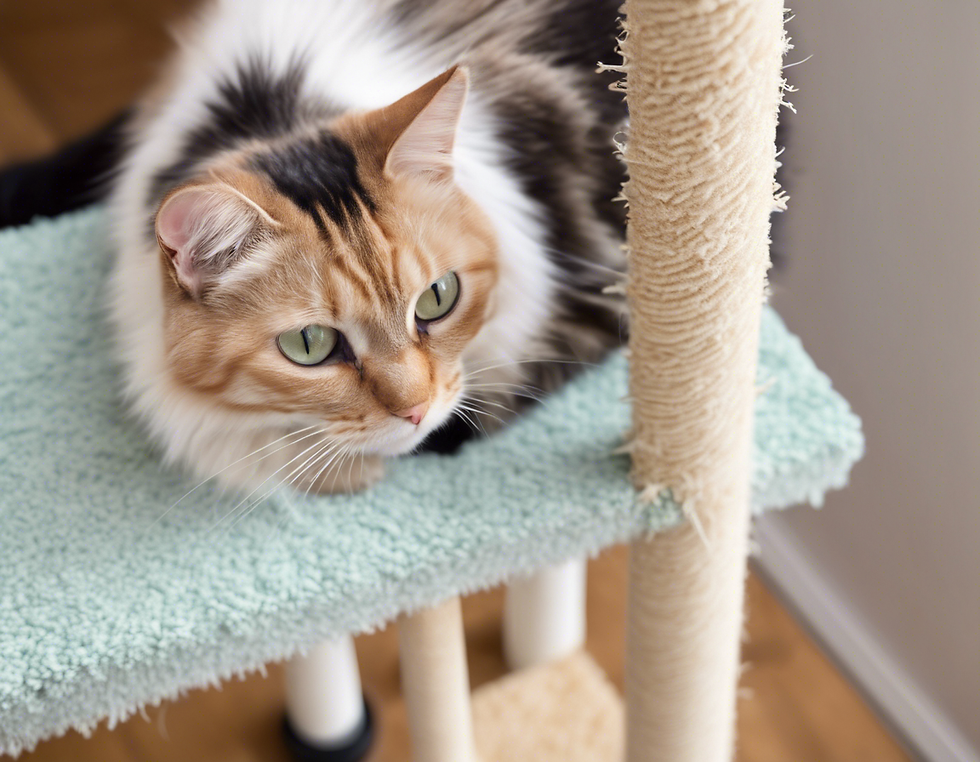
Creating a designated safe space is essential for your new cat's emotional well-being. Choose a quiet room away from high-traffic areas where your cat can retreat when feeling overwhelmed. This space should include all the essentials: a comfortable bed, litter box, food and water bowls, and a few toys. When Simba first came home, I set up a cozy corner in my bedroom with a soft hideaway cave, and he spent the first 24 hours there feeling secure. Cats need a "home base" where they can decompress and feel protected. Make sure this area has hiding spots—cardboard boxes, cat caves, or even a carrier with the door open work perfectly. Avoid forcing your cat out of this space; let them venture out on their own terms. The goal is to give them control over their environment, which significantly reduces stress and speeds up the adjustment process.
6. Signs Your Cat is Adjusting Well
Knowing when your cat is successfully adapting helps you gauge their comfort level and celebrate small victories. Positive signs include: venturing out of their safe space to explore, initiating play or showing curiosity about toys, grooming themselves regularly (a sign of reduced stress), eating and drinking normally, using the litter box consistently, seeking affection or sitting near you, making eye contact, slow blinking (a cat's version of "I love you"), and exhibiting relaxed body language with ears forward and tail up. For Simba, the turning point came on Day 2 when he started playing with a feather toy and even climbed onto my lap. Remember, every cat adjusts at their own pace—some may take days, others weeks or even months. Don't compare your cat's progress to others. Watch for gradual improvements rather than expecting overnight changes. If your cat shows persistent signs of stress like hiding constantly, refusing to eat for more than 24 hours, excessive vocalization, or aggressive behavior, consult your veterinarian to rule out health issues.
🐾 Learn more about understanding your cat's unique personality: Unleashing the Fun: What to Look Forward to with Your New Best Friend to discover all the amazing moments ahead!
Bringing home a new kitten home has been a very rewarding experience, and having the right approach made all the difference. These tips helped Simba transition from a timid rescue kitten to a confident, loving companion in just a few days
.
I've put together my complete First-Week Survival Kit with every product, checklist, and resource that helped Simba and me bond instantly. These are the exact items I wish I'd known about from Day One.
[👉 Shop My Complete First-Week Essentials Kit →] (Add your Amazon Affiliate link here)
Want daily tips and updates on Simba's adventures? Follow us on Instagram @simbatherescuekitten for real-time rescue stories, product reviews, and adorable cat content!


Comments